Engineered hardwood has a real wood surface supported by an engineered structure. The face species sets much of its character; the core and joint influence how the selected product can be installed.
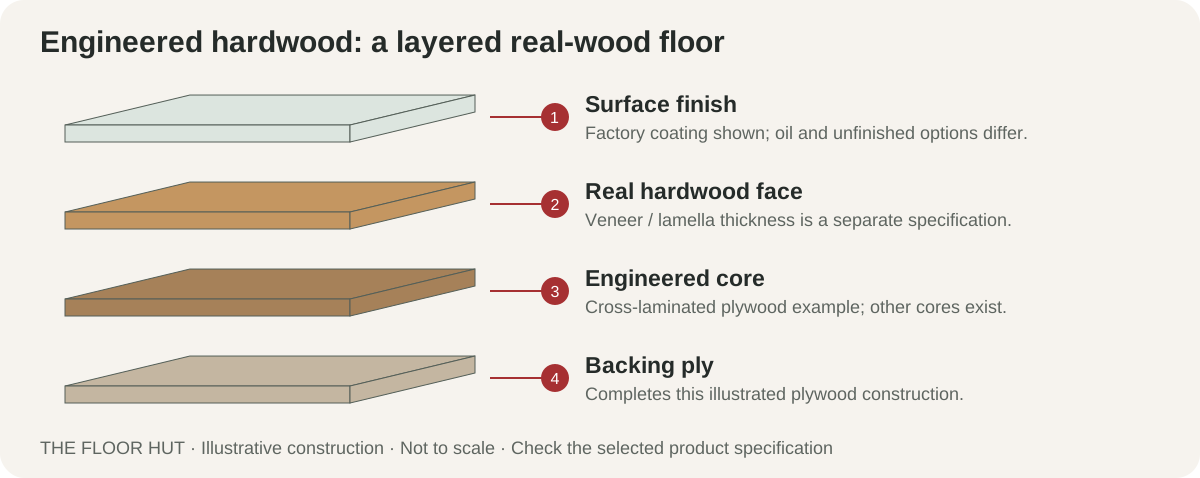
A real wood surface over a supporting core
A plywood construction bonds a hardwood face to supporting plies. Other engineered products use different core materials, so ask for the actual construction. Engineered wood generally moves less with humidity changes than solid wood, but it still needs suitable site conditions.
Veneer thickness is its own specification
Ask for the real-wood face thickness separately from overall board thickness. Do not assume a thick board has a thick veneer. Refinishing depends on the usable wood above the joint, surface treatment, condition and manufacturer guidance; a stated veneer thickness is not a promise of a particular number of sandings.
Finish, grain and texture
Bring samples into your room and compare them in daylight and evening lighting. Ask whether the surface is smooth, brushed, scraped, oiled, coated or unfinished. Request several boards to see the collection’s variation rather than choosing from one small piece. Real hardwood has natural grain; EIR is terminology for aligning a textured surface with a printed design on products such as vinyl or laminate.
Edges and installation
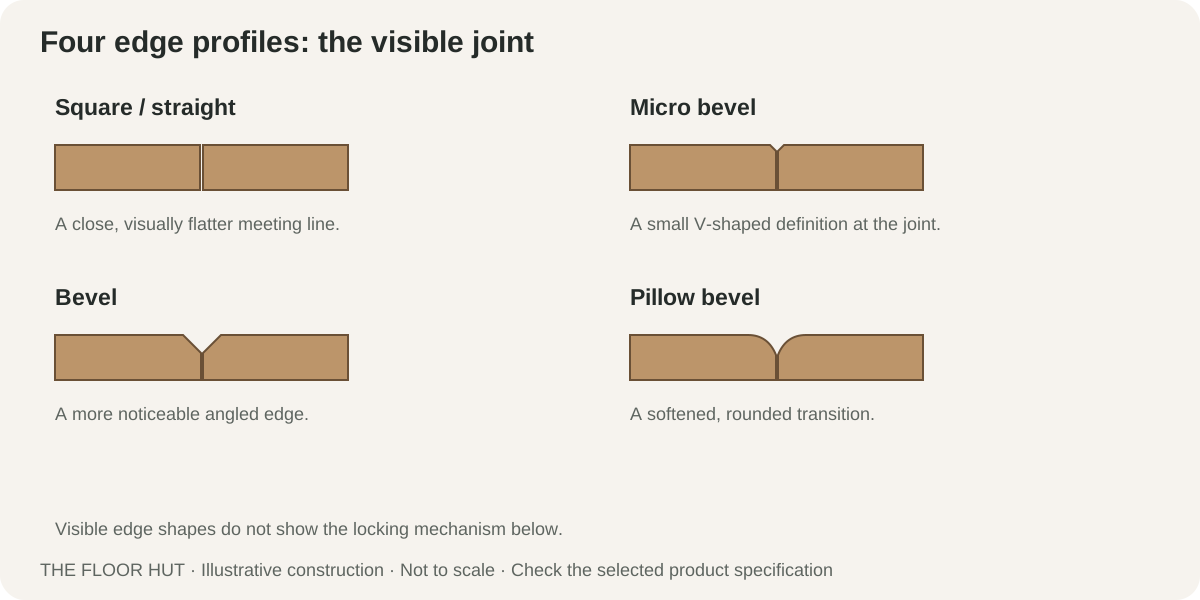
The visible bevel outlines the plank. The joint beneath it may be tongue-and-groove or a click design. Confirm the approved nail, glue or floating method for the exact collection and substrate; do not select the method from the surface appearance.
Questions worth bringing to the showroom
- What are the face species, veneer thickness and core construction?
- Which installation methods and subfloors are approved?
- What indoor humidity range must be maintained?
- Is this exact collection suitable for the proposed basement or radiant heating?
- Which maintenance products match its finish?
A wood floor belongs in a plan for the whole room: substrate, humidity, transitions and ongoing care. Bring your measurements and project details so we can help compare suitable options.
Technical reading
- Bruce: engineered construction options
- NWFA: real-wood construction types
- NWFA: finishes and sheen
- Unilin: wood joint technologies
Examples explain terminology; they do not specify every product sold by The Floor Hut.