Solid hardwood is made from one piece of wood through the board’s body. Colour, species and finish shape its appearance, while the project’s site conditions help determine whether it is a suitable choice.
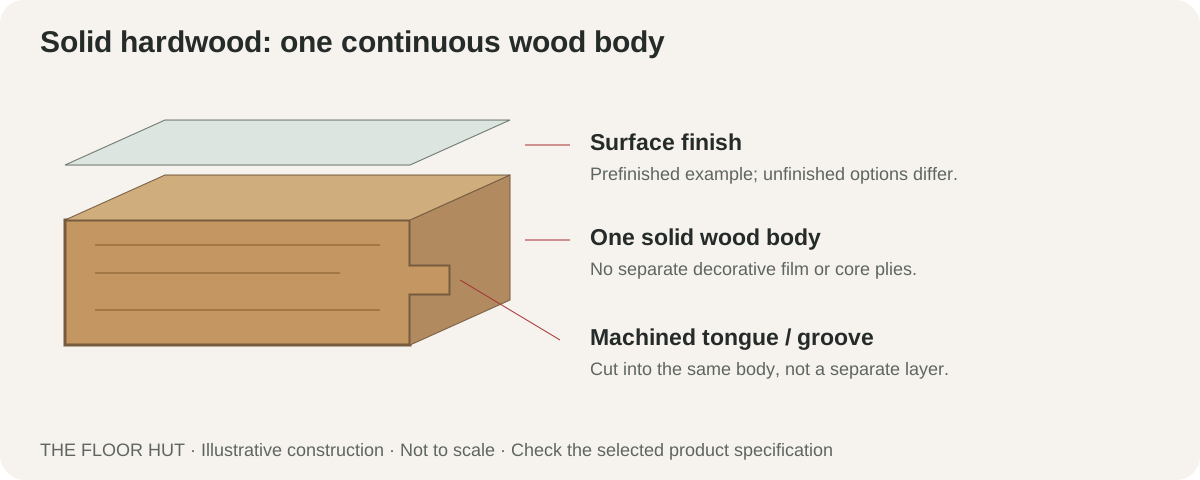
One wood body, a separate finish
The same piece of wood extends beneath the finished surface. The tongue-and-groove is machined into that body, not added as a separate layer. Prefinished boards arrive with a finished face; unfinished products require finishing as part of the installation plan.
Solid and engineered: ask different questions
Solid wood uses a continuous wood body; engineered flooring has a wood face over a supporting structure. Both are real wood. Compare their approved applications and the floor you want to create rather than assuming one label makes every product superior.
Refinishing needs a board assessment
Solid hardwood may allow repeated refinishing, but usable wood above the joint, previous sanding, board condition and the finish all matter. Ask for a professional assessment before planning a sanding project. Total board thickness is not the same as the remaining sanding allowance.
Look at the joints as well as the colour
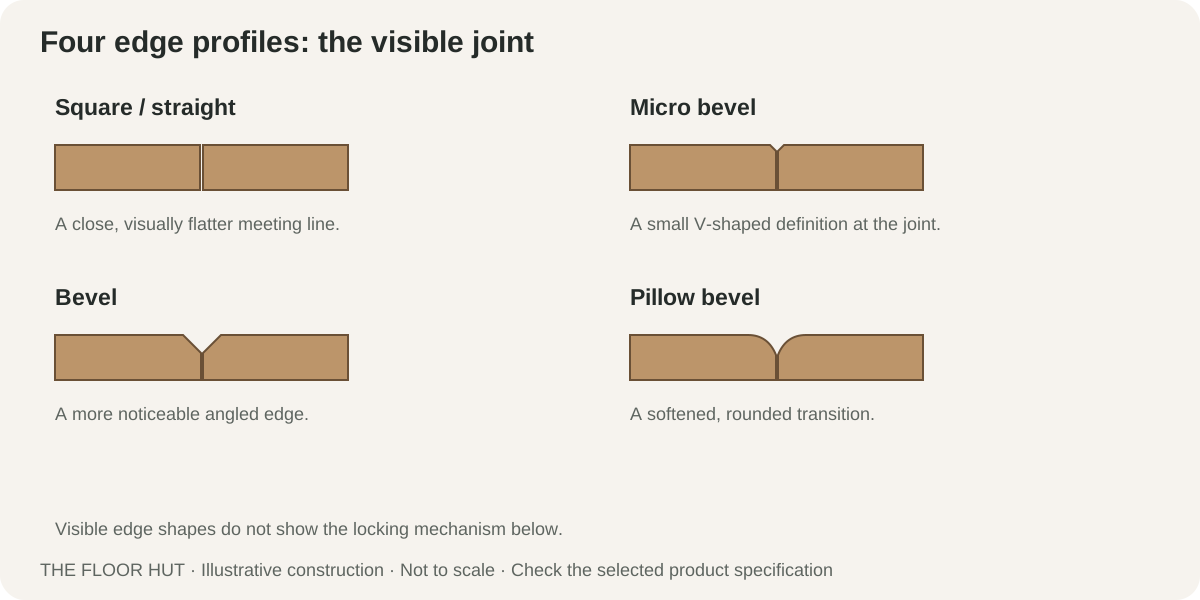
A square edge gives less visible separation. Micro bevels are subtle; larger bevels or rounded profiles make individual boards more distinct. Ask which profiles are actually offered in the collection.
Plan the room before ordering
- Confirm the installation level, substrate and approved fastening or bonding method.
- Ask for the collection’s humidity, moisture-testing and acclimation instructions.
- Discuss species, colour variation and the expected range across full boards.
- Choose matching transitions and stair components with the flooring.
- Ask how to care for the chosen finish and address future wear.
For your quote, bring the room measurements, photographs of the existing floor and any heating-system details. Our Cambridge team can help you compare the board, installation requirements and finish together.
Technical reading
Examples explain terminology; they do not specify every product sold by The Floor Hut.